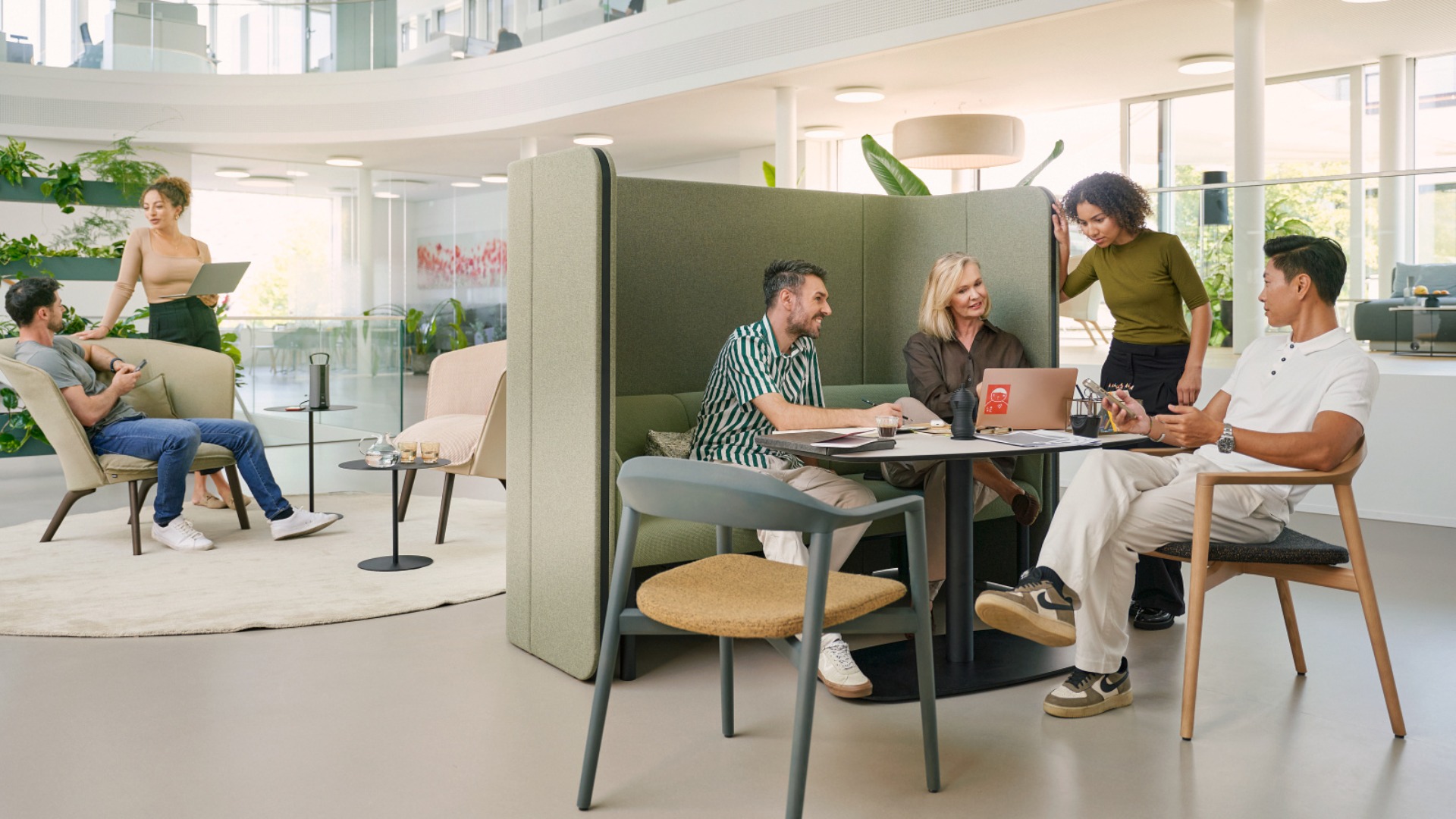

How layouts actively support focus time and how culture and space work together
A day without meetings may initially sound like an organisational decision. The calendar remains clear, appointments are moved and employees gain longer stretches of time for tasks that require concentration. But for a meeting-free day to genuinely become a focus day, more is needed than simply having a rule in the calendar.
Because even if there is no scheduled meeting, working amid phone calls, conversations, circulation routes and spontaneous interruptions may create more time – but it does not automatically create calm.
This is precisely where spatial planning comes into play. It cannot enforce focus. But it can create conditions that make uninterrupted work more likely. Meeting-free days and office design therefore pursue essentially the same goal: consciously protecting attention.
Sedus INSIGHTS N° 20 “Focus in the Office” also considers concentration a strategic resource in modern working environments. The office is not understood exclusively as a place for interaction, but also as a potential “oasis of concentration”. What matters is the interplay between spatial, technological and cultural conditions.
Meeting-free does not mean communication-free
Meetings fulfil important functions. They enable coordination, decision-making, collaborative problem-solving and social interaction. They become problematic when the working day is fragmented to such an extent that there is hardly any uninterrupted time left for complex tasks.
Meeting-free days address precisely this issue. Certain days or time slots are deliberately kept free from scheduled meetings. Communication does not disappear as a result. Its rhythm simply changes: information can be shared asynchronously, questions can be bundled and coordination can be planned more consciously.
A study of 76 companies that introduced different models of meeting-free days found associations with higher perceived autonomy and productivity as well as lower stress levels. At the same time, the research indicates that the appropriate number of meeting-free days depends on the individual's organisation and way of working – there is no universal formula.
Smaller breaks between meetings also play a role. Research by the Microsoft Human Factors Lab showed in a small EEG study that back-to-back video meetings without breaks were associated with increased stress activity. Even short breaks between meetings were able to reduce this effect and support measured levels of attention during subsequent meetings.
The key question is therefore not only: How many meetings do we need?
But also: How do we organise periods in which concentration can actually emerge?
And this is precisely the question that can be transferred from the calendar to the physical workplace.
Focus needs a spatial counterpart
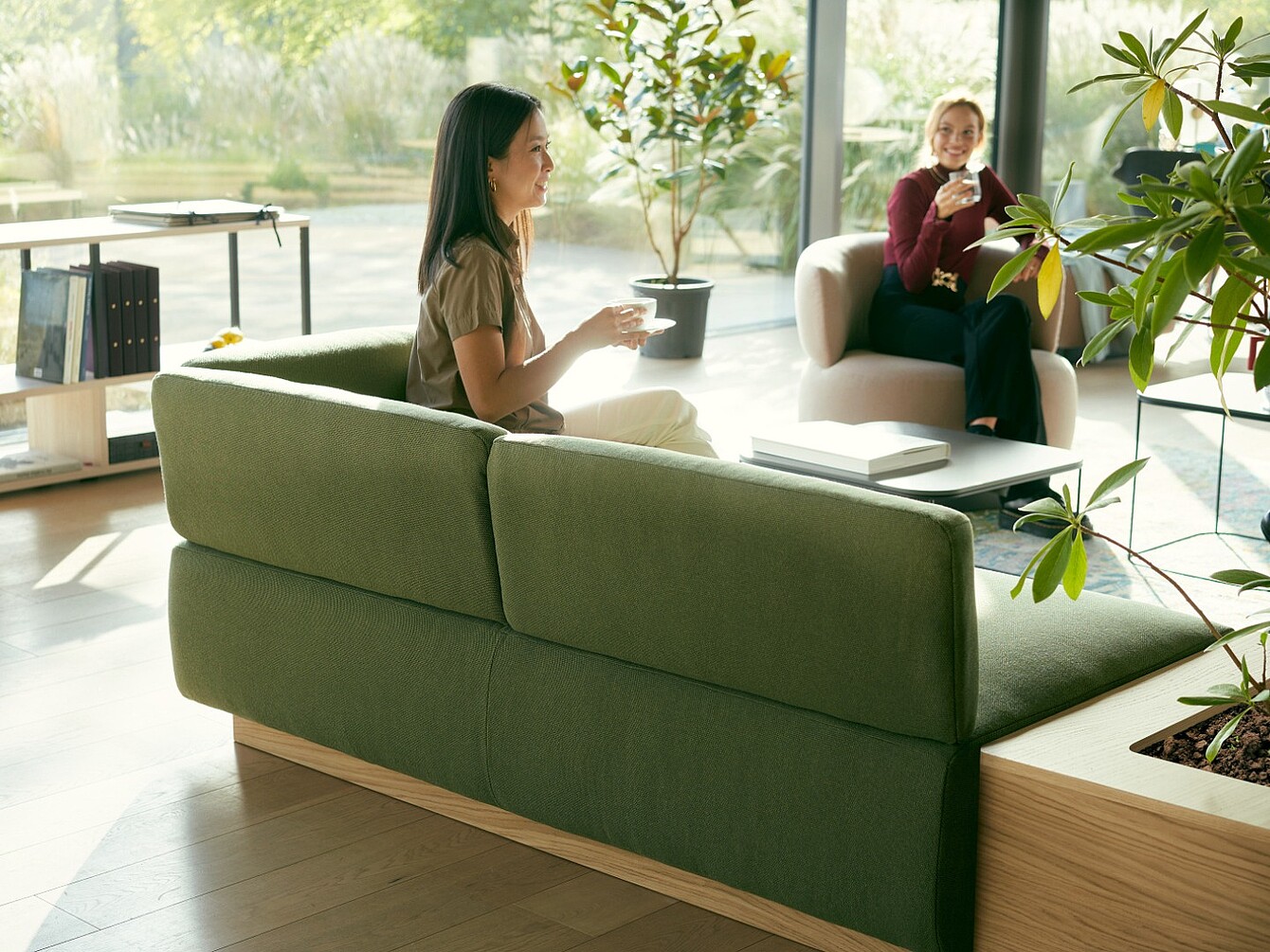
Introducing a meeting-free day initially creates a temporal boundary. Good office planning can make this boundary visible and tangible.
It starts with zoning.
A workstation located directly next to a heavily frequented circulation route creates a different working experience from a sheltered niche. An open team area generates different expectations from a quiet zone with visual screening. A work café invites interaction, while a focus room signals that a different mode of work is taking place.
In this way, the layout itself becomes a kind of orientation system.
Sedus INSIGHTS describes this idea, among other things, through different modes of concentration and a differentiated workplace landscape. Instead of optimising one space for as many requirements as possible at the same time, working environments can reflect different intensities of interaction and concentration. In this context, Sedus also refers to cognitive zoning: spaces differ not only in terms of function, but also according to the amount of sensory stimulation they generate.
This principle is particularly relevant for meeting-free days. If the calendar is designed to create calm, the physical environment should not simultaneously encourage maximum communication.
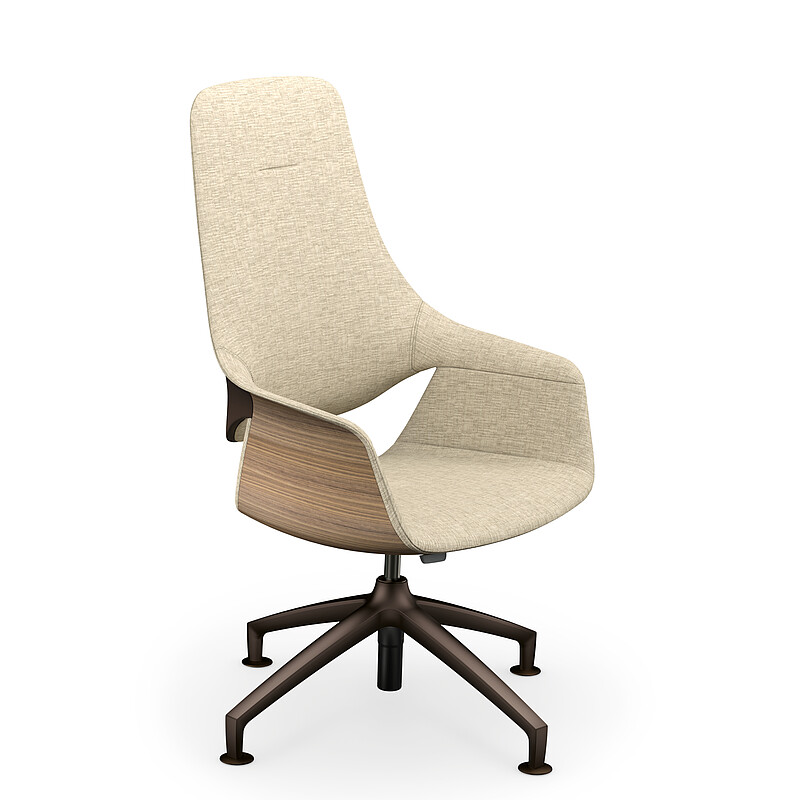
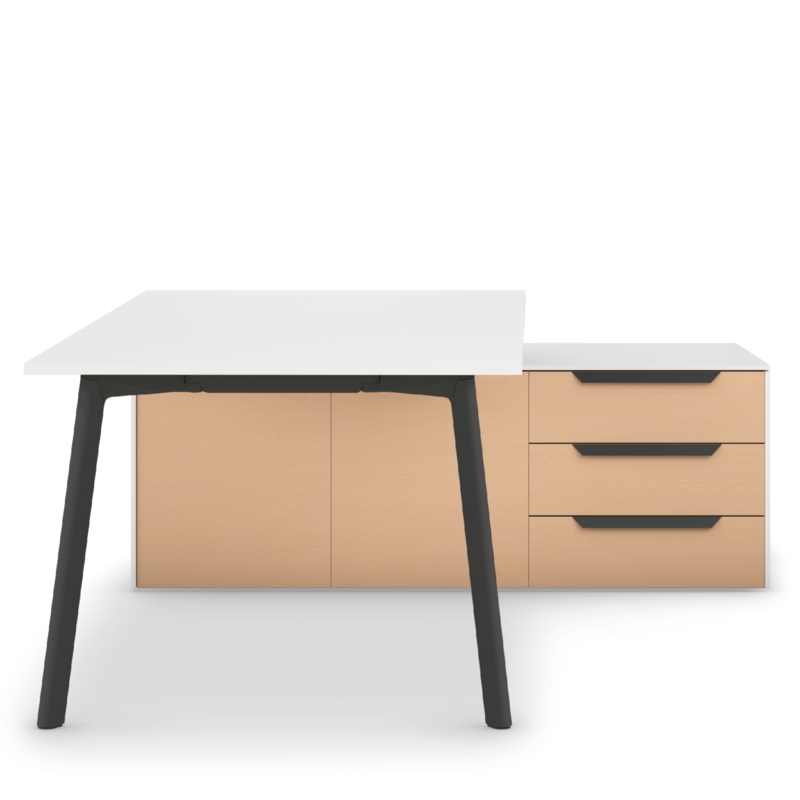
From the open workplace to a focus landscape
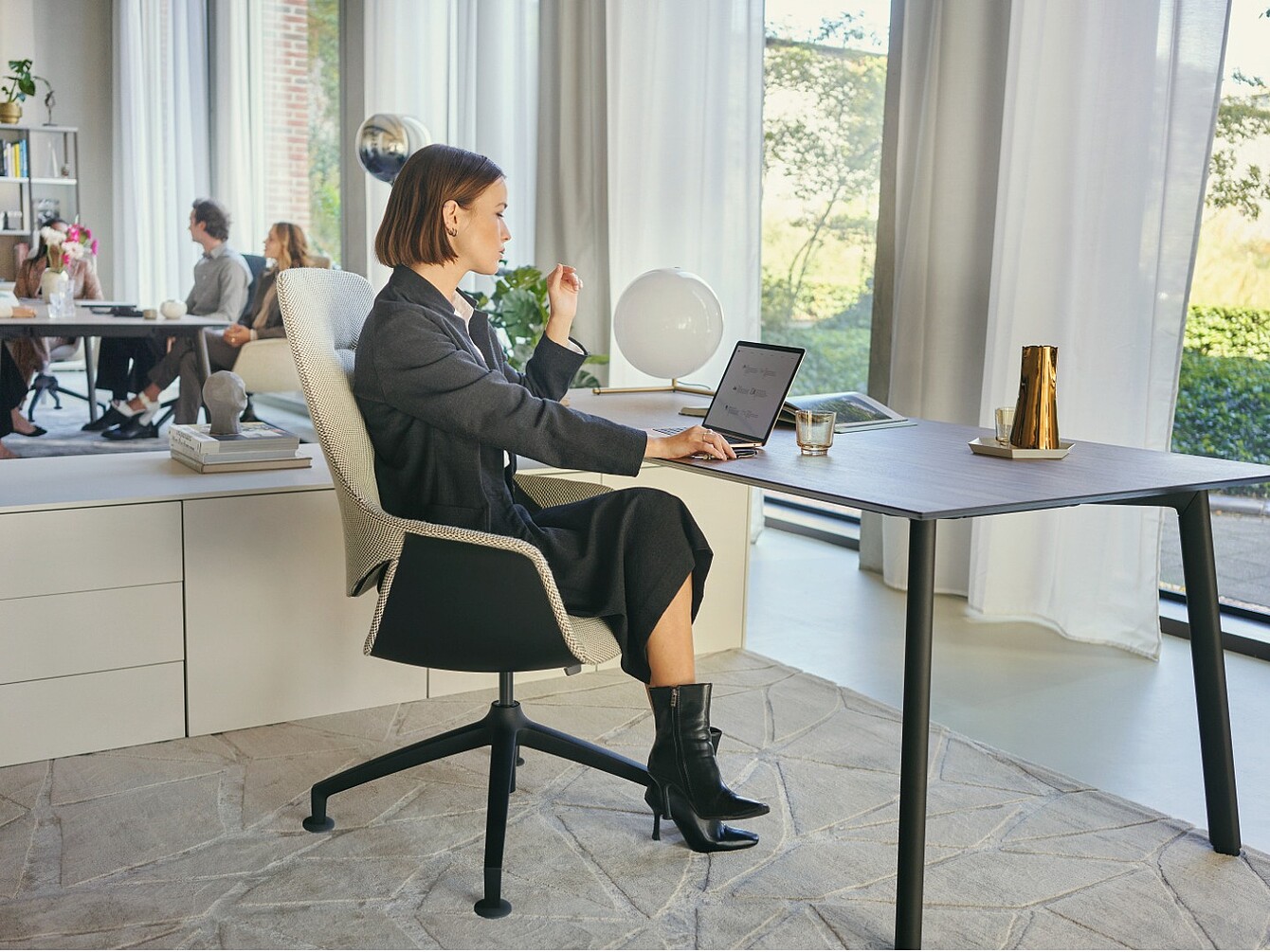
Focus rarely emerges simply because there is one designated “quiet room” at the end of the corridor. What matters instead is a graduated landscape of different work settings.
There may be areas where light conversation remains possible. Alongside these, there can be workstations with stronger visual and acoustic protection. Additional retreat areas can support longer periods of concentration, while enclosed rooms may be suitable for particularly demanding tasks, confidential work or digital conversations.
This creates a spectrum rather than a binary choice between open and closed.
This is one of the strengths of activity-based working concepts: people can adapt their surroundings more closely to the task at hand. However, a recent meta-analysis of 35 studies also shows that such concepts are not automatically successful. While certain conditions were associated with, among other things, more movement and interaction between colleagues as well as lower stress, additional demands can also arise. Privacy and autonomy depend strongly on the specific design and implementation.
The implication for workplace planning is clear: choice only works when genuinely attractive alternatives are available.
The Sedus article, “Choice as a Driver of Productivity,” also addresses this idea. Different tasks place different demands on lighting, acoustics, proximity and retreat. Employees should therefore be able to choose the setting that best suits their current activity.
A meeting-free day therefore does not have to be a day spent at the same desk. Instead, it can be a day on which people move particularly deliberately between different settings for concentrated work.
Acoustics determine whether quiet really feels quiet
A focus zone does not work simply because there is a sign on the wall.
Speech in particular attracts attention. Conversations at neighbouring desks, phone calls or spontaneous exchanges can therefore be distracting even when they are not directed at the person trying to concentrate.
Good acoustic planning does not necessarily aim to create complete silence. Instead, it is about creating different acoustic qualities within the workplace.
Sound-absorbing surfaces, textile elements, screens, room-in-room solutions and the intelligent positioning of communication areas can help ensure that conversations take place where they disturb others as little as possible.
As the Sedus article on multisensory workplace design shows, light, acoustics and materials do not act in isolation. Together, they influence whether an environment feels calm or stimulating. Spaces intended for concentrated work therefore require a different sensory quality from areas designed for interaction and communication.
Meeting-free days can reinforce this spatial differentiation even further: on a focus day, an already quiet zone can, for example, be used even more consistently as a low-distraction environment.

Circulation routes can interrupt concentration too
Not every distraction makes a sound.
Movement in peripheral vision, frequent foot traffic or constantly changing people in the immediate surroundings can also demand attention. This is why the location of a focus area is just as important as its furniture.
Quiet workstations should ideally not be located between the entrance, printer, kitchen and meeting rooms. Communication-intensive functions, on the other hand, can deliberately be positioned closer to main circulation routes or shared areas.
This may sound like a simple planning decision. In practice, however, it can determine whether focus areas actually function as intended.
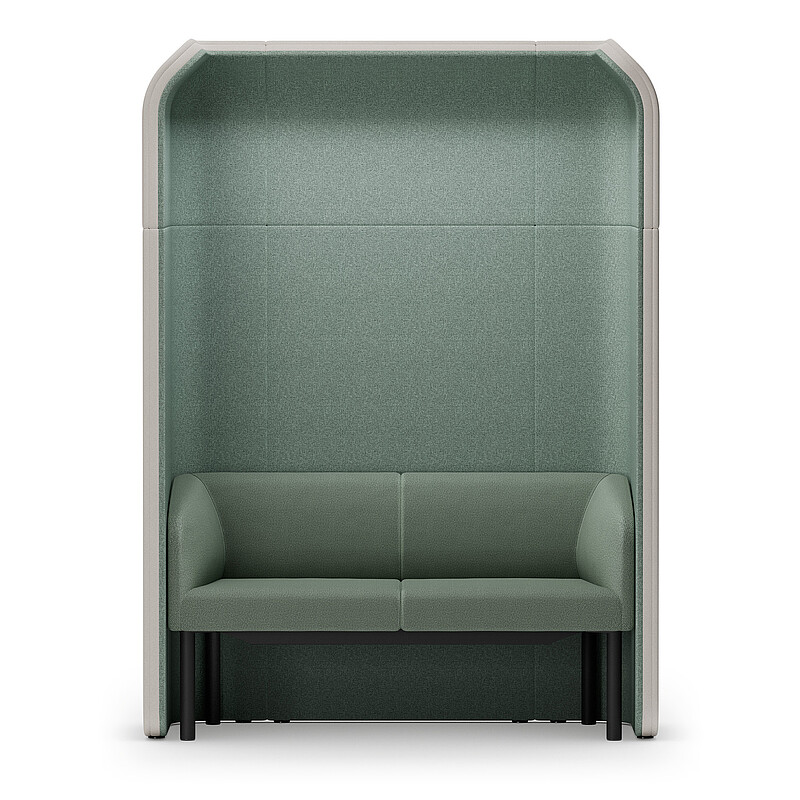
Even small interventions can help: higher backrests, screens, side panels, plants or slight changes in furniture positioning can reduce visual stimuli and create a stronger sense of retreat. Sedus also addresses this approach in the design of focus and retreat areas.

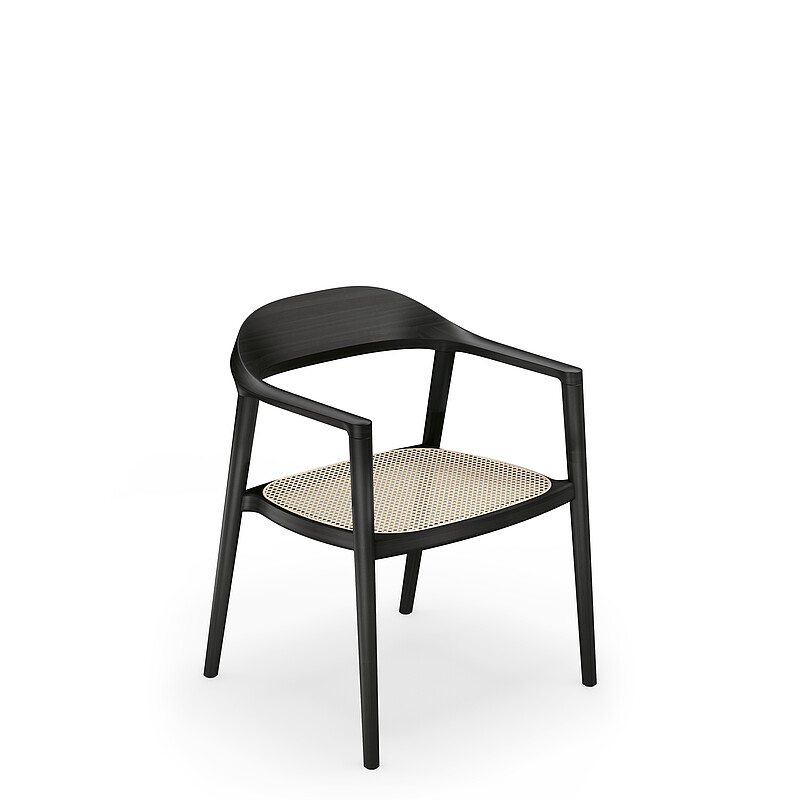
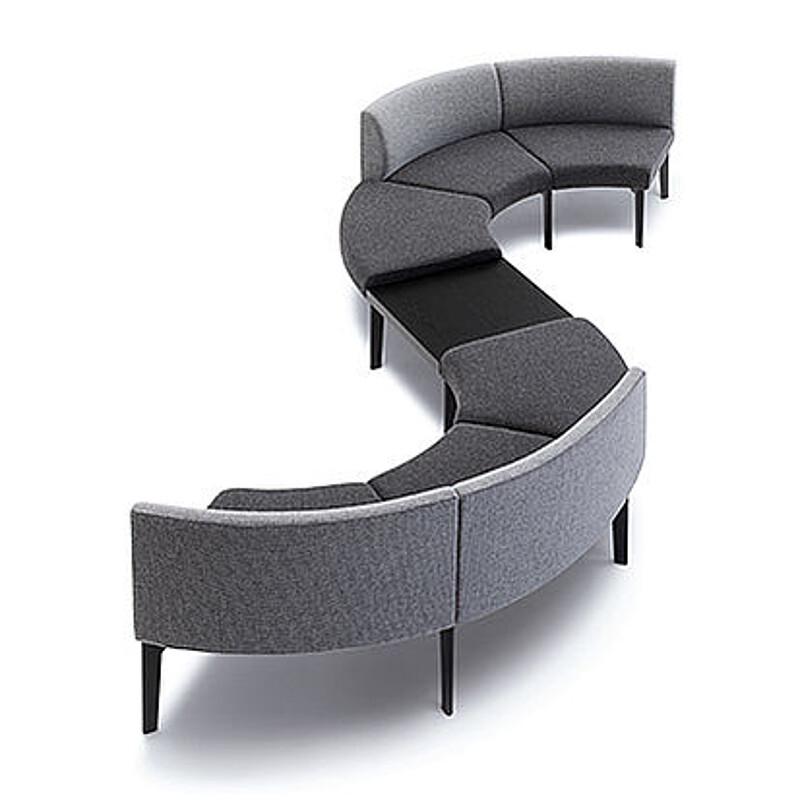
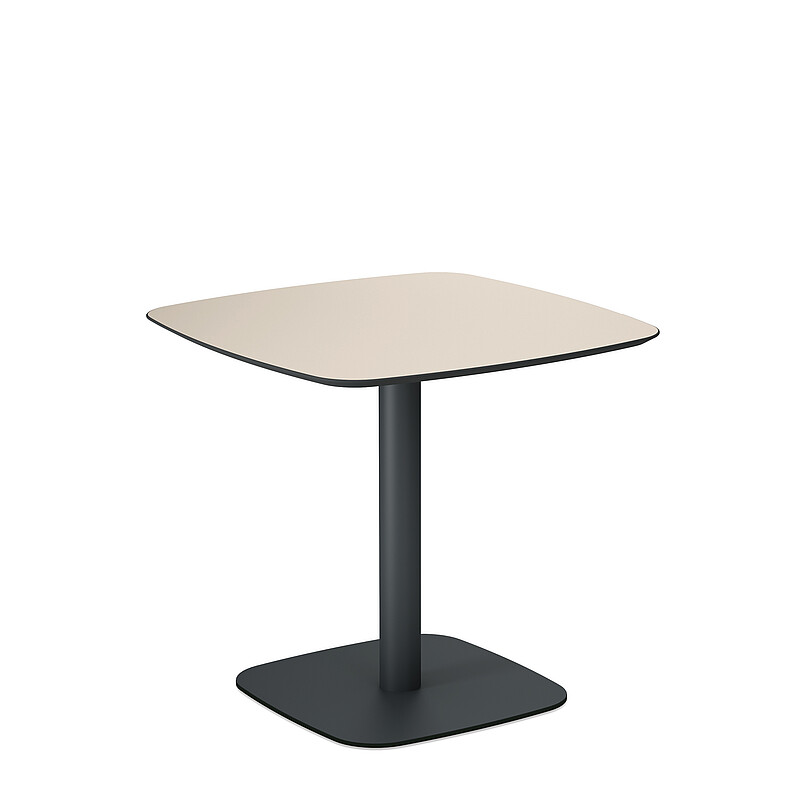
Space alone does not create a focus culture
Even the best focus room loses its effect if spontaneous discussions regularly take place there.
This reveals perhaps the most important connection between meeting-free days and office design: space and culture need to communicate the same message.
A company can create concentration rooms on the one hand while expecting employees to respond immediately at all times on the other. It can designate “quiet zones” while simultaneously accepting spontaneous calls at every workstation. Or it can introduce a meeting-free Wednesday while managers continue to request constant short check-ins.
This creates a contradiction.
A focus culture therefore also means defining shared rules: Which areas are intended for conversations? Where should calls take place? When is it acceptable for someone to be deliberately unavailable? Which signals indicate a focus phase? And which information genuinely needs an immediate response?
The physical workplace makes these rules visible. Culture gives them meaning.
In the context of Calm Tech, Sedus INSIGHTS also points to this connection. Technology, workplace design and work organisation should avoid making unnecessary demands on attention wherever possible. Focus workstations, quiet zones, bundled information and consciously designed notifications can complement one another.
The same principle can be applied directly to meeting-free days: removing appointments from the calendar has limited value if the newly available attention is subsequently consumed by constant digital interruptions.

Meeting-free days as part of a spatial rhythm
Perhaps this is where the greatest opportunity of the concept lies.
Meeting-free days do not have to be viewed in isolation as a calendar rule. They can become part of a broader working rhythm.
On some days, interaction, collaboration and social exchange may take centre stage. Team areas, work cafés, project spaces and meeting rooms are then used more intensively.
On other days, the emphasis shifts towards concentration. Focus workstations, retreat areas and quiet zones become more important.
Intelligent office design enables both conditions.
The office is therefore not tied to a single definition of productivity. Instead, it responds to the different modes of modern knowledge work: communicating, collaborating, concentrating, learning, reflecting and recovering.
When calendar and space speak the same language
Meeting-free days can create room in the working day. But only a suitable working environment can turn available time into genuine focus time.
The decisive quality of modern office planning therefore does not lie in providing as many desks or meeting rooms as possible. It lies in consciously supporting different working situations.
Quiet zones protect attention. Screening reduces visual and acoustic distractions. Different settings create choice. Clear spatial structures help people quickly find the right place. And an appropriate workplace culture ensures that the intended rules are respected.
It is precisely this interaction that matters.
Because concentration does not emerge exclusively in the calendar, nor exclusively in the physical workplace.
It emerges where time, space and culture communicate the same message: This is a place where uninterrupted work is possible.

social media channels: